
Why Most Church Websites Fail to Reach the Lost (and How to Fix It)
Published On 11.20.2025
The purpose of the Church is threefold: Love God, Make Disciples, and Reach the Lost.
And the way a church lives out #2 and #3 is what proves how deeply it honors #1 — the greatest commandment to love God by loving people.
But there is a widening gap in many churches between what we say (#1–3) and what we do, especially online. Most church websites unintentionally shine the light inward — on the church itself. Ministries. Programs. Beliefs. Staff. Service times. These are good things, but they’re not the first thing lost people are looking for.
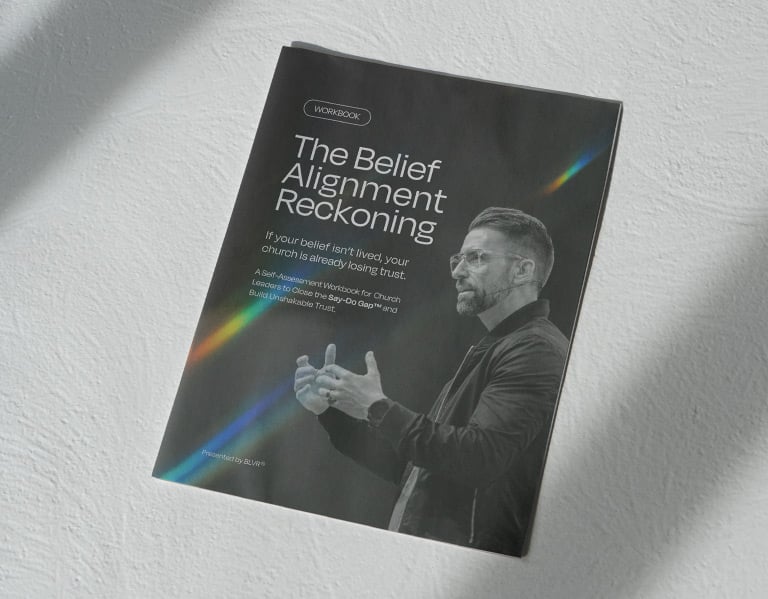
This creates a Say-Do Gap:
- We say we want to reach our community…
…but our digital front door is built for Christians. - We say we care about the hurting…
…but our website doesn’t speak their language. - We say we want to love our neighbors…
…but our online experience is optimized for our insiders.
A Hope & Help Website closes that gap by shifting the emphasis from the church to the person — especially the person far from God.
It reflects the heart of Jesus, who consistently met people where they were before inviting them into deeper relationship.
Reaching the Lost by Starting Where They Actually Are
Most unchurched and dechurched people are not waking up thinking,
“I should find a church today.”
They are searching for help with real, painful, overwhelming struggles:
- Anxiety and depression
- Marriage tension
- Parenting challenges
- Financial stress
- Loneliness and isolation
- Purpose and meaning
- Grief and loss
These are spiritual entry points — holy intersections where the gospel meets human need.
But most church websites bury these topics under ministry pages, brand language, and internal church structure.
The Hope & Help Website reverses this.
It elevates people’s real needs and leads with hope and help — not church information.
This closes the Say-Do Gap by aligning what the church says it exists to do (love people, reach the lost) with what its website actually does.
Felt Needs: The Digital Bridge to the Lost
The Hope & Help Website contains a robust network of pages dedicated to the struggles people in your community are searching for online:
- “Help with anxiety”
- “Christian marriage advice”
- “How to handle financial pressure”
- “Support for teens who are overwhelmed”
- “Why do I feel so lost?”
These aren’t random content pieces — they’re funnels.
Each felt-need page is:
- SEO-optimized
- AI-discoverable
- Biblically rooted
- Compassion-driven
- Designed to build trust
- Filled with relevant messages, articles, programs, and next steps
This is how a church shows up in Google and generative AI answers exactly where lost people are searching.
It’s not marketing.
It’s ministry.
It’s evangelism.
It’s Jesus meeting people at the well, at the table, in their pain — right where they are.
It is the church closing its Say-Do Gap by loving people from the first moment they encounter its digital presence.
Audience Classification: Personalizing the Journey for the Lost
Every lost person has a story.
A context.
A background.
A unique set of needs and questions.
The Hope & Help Website identifies who the visitor is and routes them into a personalized funnel designed specifically for them:
- Men
- Women
- Parents
- Students
- Young adults
- Adults in crisis
- People navigating specific life challenges
Once the website understands the person, it curates a pathway filled with:
- Relevant content
- Appropriate resources
- Right-fit programs
- Gentle next steps
- Testimonies of hope
- And eventually, invitations into Christian community
This is discipleship before someone ever steps foot inside the building.
This is online evangelism with pastoral intentionality.
This is the church “dating before marriage.”
The Dating vs. Marriage Analogy (Why It Matters for Reaching the Lost)
Most churches (without meaning to) ask people to “marry” them too soon.
A lost person lands on a church website and the first messages they see are:
- Join us Sunday
- Come visit
- Attend an event
- Get plugged in
But someone who is hurting, skeptical, or spiritually disconnected is not ready for this.
They need time.
They need trust.
They need to feel safe.
They need to explore from a distance.
The Hope & Help Website lets people “date” your church before you ask them to commit.
They can:
- Read a message
- Watch a story
- Find help for a real-life issue
- Get guidance
- Learn truth
- Experience hope
- Explore from a safe distance
And when they’re ready — naturally, gradually — they take a step toward:
- Attending a service
- Joining a group
- Talking with a pastor
- Finding community
This is what reaching the lost looks like in a digital age.
This is how the church closes the Say-Do Gap between “we love our neighbors” and “we’ve built a digital experience that actually shows it.”
Low-Barrier Content: Reaching the Lost at a Safe Distance
People who would never attend a church service will absolutely:
- Read an article about anxiety
- Watch a video on forgiveness
- Click on a marriage help resource
- Explore a parenting guide
- Watch a sermon clip on purpose
This content reduces the risk of engagement.
It gives people a chance to explore faith from the safety of their home, car, or phone.
And with every click, trust is being built.
Low-barrier content is the new “first conversation.”
It’s the new “lobby.”
It’s the new “welcome team.”
This is where people who are far from God take their first spiritual step.
And when a church offers this kind of content, it is aligning its actions with its mission — closing the Say-Do Gap by showing real, practical love for the lost.
Guiding the Lost Toward Community — Without Pressure
As people explore, the Hope & Help Website gently invites them into deeper engagement:
- Messages relevant to their struggle
- Events they might attend
- Programs that meet their needs
- Next steps that feel approachable
- Conversations with pastors
- Opportunities to find community
No pressure.
No pushiness.
No assumptions.
Just a steady stream of meaningful, contextual, compassionate invitations.
This is how lost people become found.
It’s how the unchurched become seekers.
And eventually, how seekers become disciples.
This Is the Church Online — Loving the Lost the Way Jesus Did
When a church’s website:
- speaks to people’s real needs,
- meets them at their point of pain,
- provides hope and help,
- answers their questions,
- gives them space to explore,
- and invites them into community…
…that church is embodying the Great Commandment and the Great Commission — digitally.
This is what it looks like to Love God (#1) by Reaching the Lost (#3).
This is how the Hope & Help Website closes the Say-Do Gap and fulfills the mission Jesus gave His Church.
Is Your Church Website Reaching the Unchurched?
Most church websites are digital bulletin boards. The Hope + Help Website System reaches people in crisis before they search for church—with topic-based content that meets them where they hurt.
See How It Works
See How It Works